Category: News

  • Cold & Flu Tablets

    Cold & Flu Tablets

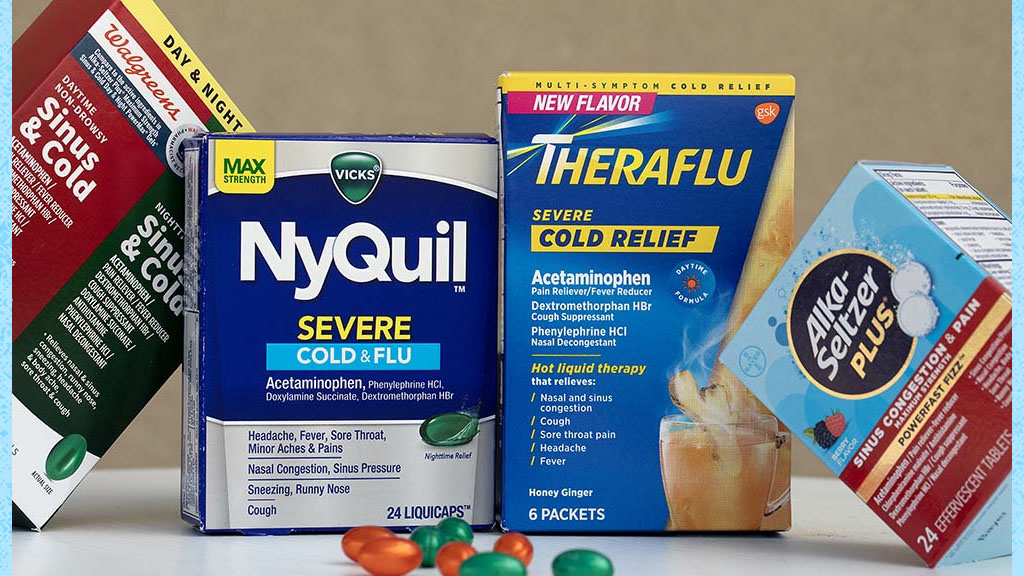
    When you’re feeling under the weather with cold or flu symptoms, choosing the right medication can make all the difference. With countless options lining pharmacy shelves, it’s essential to understand which cold and flu tablets actually provide effective relief. In this comprehensive guide, we’ll explore how different medications work, their active ingredients, and how to select the best option for your specific symptoms.

    Cold vs. Flu: Knowing the Difference Matters

    Before reaching for any medication, it’s crucial to distinguish between cold and flu symptoms:

    Common Cold Symptoms:

    • Runny or stuffy nose
    • Sneezing
    • Sore throat
    • Mild fatigue
    • Low-grade fever (if any)

    Flu Symptoms:

    • High fever (100°F/38°C or higher)
    • Severe body aches and chills
    • Significant fatigue and weakness
    • Dry cough
    • Headache

    Understanding your symptoms helps determine whether you need targeted relief or should consult a healthcare professional.

    The Science Behind Cold and Flu Tablets

    Most over-the-counter cold and flu medications contain combinations of these key ingredients:

    Pain Relievers and Fever Reducers

    • Acetaminophen: Effective for reducing fever and pain without stomach irritation
    • Ibuprofen: Provides additional anti-inflammatory benefits
    • Aspirin: Less common due to risk factors like Reye’s syndrome

    Decongestants

    • Phenylephrine: Shrinks swollen nasal passages
    • Pseudoephedrine: More potent decongestant (often behind pharmacy counter)

    Antihistamines

    • Diphenhydramine: Relieves runny nose and sneezing, causes drowsiness
    • Loratadine/Cetirizine: Non-drowsy alternatives for allergy-like symptoms

    Cough Suppressants

    • Dextromethorphan: Effective for dry, hacking coughs
    • Codeine: Prescription-only for severe coughs

    Expectorants

    • Guaifenesin: Thins mucus to make coughs more productive

    Choosing the Right Medication for Your Symptoms

    Selecting the optimal cold and flu tablet depends on your specific symptoms:

    Symptom CombinationRecommended Ingredients
    Fever + Body AchesAcetaminophen/Ibuprofen
    Stuffy NosePhenylephrine/Pseudoephedrine
    Runny Nose/SneezingAntihistamines
    Dry CoughDextromethorphan
    Chest CongestionGuaifenesin

    Always check labels carefully to avoid duplicate ingredients when taking multiple medications.

    Safety Considerations and Precautions

    While cold and flu tablets offer relief, they come with important safety notes:

    1. Dosage Matters: Never exceed recommended doses, especially with acetaminophen-containing products
    2. Drug Interactions: Consult your pharmacist if taking other medications
    3. Medical Conditions: Certain ingredients may worsen conditions like high blood pressure or asthma
    4. Age Restrictions: Many formulas aren’t suitable for young children
    5. Duration Limits: Don’t use decongestants for more than 3 days to prevent rebound congestion

    When to Skip the Tablets and See a Doctor

    While cold and flu tablets manage symptoms, they don’t treat viruses. Seek medical attention if you experience:

    • Symptoms lasting more than 10 days
    • Difficulty breathing or chest pain
    • High fever persisting beyond 3 days
    • Worsening symptoms after initial improvement
    • Underlying health conditions like asthma or heart disease

    Natural Alternatives and Complementary Approaches

    For those preferring non-pharmaceutical options:

    • Hydration: Warm fluids thin mucus and relieve congestion
    • Rest: Essential for immune system recovery
    • Humidifiers: Moist air eases breathing and soothes irritated passages
    • Salt Water Gargles: Temporarily relieves sore throats
    • Zinc and Vitamin C: May shorten duration when taken early

    Conclusion: Making Informed Choices for Faster Recovery

    Choosing the right cold and flu tablets requires understanding your symptoms and reading product labels carefully. While no medication cures viral infections, the right combination can significantly improve comfort and support your body’s natural healing process. Always prioritize hydration, rest, and monitoring symptoms, seeking professional care when needed.

    Remember: If symptoms worsen or persist, consulting a healthcare provider is always the safest choice for both cold and flu management.
  • Safe Weight Loss Tablets for Daily Use

    Safe Weight Loss Tablets for Daily Use

    Struggling to shed pounds safely? Discover how clinically-backed weight loss tablets can support your journey—without compromising your health.

    Losing weight is a common goal, but finding safe, effective solutions that fit into your daily routine can feel overwhelming. With countless options flooding the market, it’s crucial to prioritize products backed by science and designed for long-term use. In this guide, we’ll explore safe weight loss tablets that are gentle enough for daily consumption, helping you achieve sustainable results while protecting your well-being.

    Why Choose Safe Weight Loss Tablets?

    Traditional weight loss methods often involve extreme diets or intense exercise, which can lead to burnout or health risks. Safe weight loss tablets offer a complementary approach, targeting key areas like metabolism, appetite, and fat storage—without harmful stimulants or synthetic additives.

    Key Benefits:

    Clinically Proven Ingredients: Formulas tested in peer-reviewed studies.
    Gentle on the Body: No jitters, digestive issues, or energy crashes.
    Sustainable Results: Supports gradual, lasting weight loss when paired with healthy habits.

    Top Categories of Safe Weight Loss Tablets

    Not all supplements are created equal. Here’s what to look for:

    1. Fiber-Based Appetite Suppressants

    • How They Work: Soluble fibers (e.g., glucomannan) expand in your stomach, promoting fullness and reducing calorie intake.
    • Safety: Natural, non-addictive, and suitable for daily use.
    • Example: Konjac root capsules.

    2. Thermogenic Fat Burners

    • How They Work: Mildly boost metabolism to encourage fat burning (e.g., green tea extract, caffeine from natural sources).
    • Safety: Look for caffeine-free or low-dose options to avoid sleep disruption.

    3. Carb Blockers

    • How They Work: Inhibit enzyme activity to reduce carb absorption (e.g., white kidney bean extract).
    • Safety: Best used alongside a balanced diet—over-reliance may cause digestive discomfort.

    4. Natural Metabolism Boosters

    • How They Work: Ingredients like cayenne pepper or turmeric support metabolic health.
    • Safety: Generally well-tolerated; consult a doctor if you have underlying conditions.

    How to Choose the Safest Option

    Follow these criteria to avoid risky products:
    🔍 Check Certifications: Look for GMP (Good Manufacturing Practices) and third-party testing labels.
    🌿 Prioritize Natural Ingredients: Avoid synthetic fillers, artificial colors, or undisclosed stimulants.
    ⚠️ Beware of “Miracle” Claims: If it sounds too good to be true (e.g., “lose 20 lbs in a week”), it likely is.
    💊 Consult Your Doctor: Especially if you’re pregnant, nursing, or taking medications.

    Combining Tablets with Healthy Habits

    Weight loss tablets work best as part of a holistic plan:

    • Diet: Focus on whole foods, lean proteins, and fiber-rich veggies.
    • Exercise: Aim for 150+ minutes of moderate activity weekly.
    • Hydration: Drink 8+ glasses of water daily to support digestion and metabolism.

    Frequently Asked Questions

    Q: Are these tablets FDA-approved?
    A: Supplements aren’t “approved” like drugs, but reputable brands follow strict quality standards. Always verify certifications.

    Q: Can I take them long-term?
    A: Most safe formulas are designed for daily use, but rotate ingredients periodically to avoid tolerance.

    Q: Will they replace diet/exercise?
    A: No—they’re a tool, not a magic solution. Consistency with lifestyle changes is key.

    Final Thoughts

    Safe weight loss tablets can be a valuable ally in your wellness journey, offering gentle support without sacrificing health. By choosing evidence-based products and pairing them with balanced habits, you’ll set yourself up for success. Remember: Sustainable weight loss is a marathon, not a sprint. Prioritize safety, listen to your body, and celebrate small wins along the way!

    Ready to start your safe weight loss journey? Explore our top picks below—or share your experience in the comments!

  • Immune Support Tablets That Actually Work

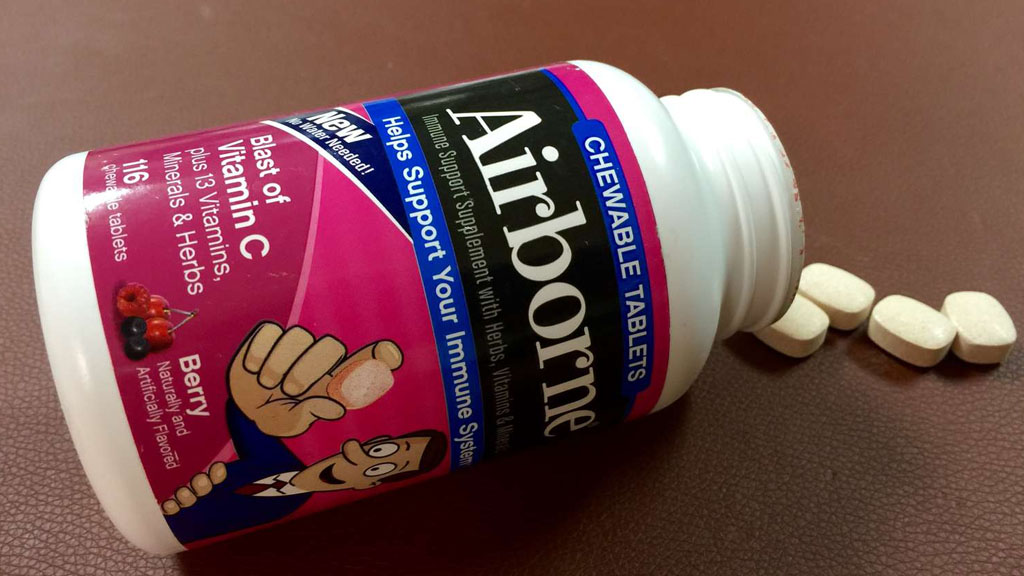
    Immune Support Tablets That Actually Work

    Struggling to stay healthy? In today’s world, a robust immune system isn’t just nice—it’s essential. While diet and lifestyle form the foundation, immune support tablets can fill nutritional gaps and give your body the extra edge it needs to fight off illness. But with countless options on shelves, how do you find ones that actually work? Let’s dive into the science-backed facts.

    Why Immune Support Tablets Matter

    Even with a balanced diet, modern life often leaves us deficient in key nutrients vital for immune function. Stress, pollution, and processed foods deplete vitamins and minerals faster than we can replenish them. Immune support tablets bridge this gap, delivering concentrated doses of:

    • Vitamin C: A powerhouse antioxidant that boosts white blood cell production.
    • Vitamin D: Critical for modulating immune responses (many people are deficient!).
    • Zinc: Supports immune cell development and reduces infection duration.
    • Probiotics: Gut health is linked to 70% of immune function—probiotics balance gut flora.

    How to Choose Tablets That Deliver Results

    Not all supplements are created equal. Look for these science-backed features:

    1. Clinically Studied Ingredients

    Opt for formulas with research backing. For example:

    • Elderberry: Shown in studies to reduce flu symptoms and duration.
    • Echinacea: May shorten colds when taken at onset.
    • Selenium: Supports antioxidant activity and immune cell function.

    2. Third-Party Testing

    Reputable brands undergo independent lab verification (e.g., USP, NSF) to ensure purity, potency, and absence of contaminants. Check labels for certifications!

    3. Bioavailability

    Choose forms your body absorbs easily:

    • Methylated B12 over cyanocobalamin.
    • Liposomal Vitamin C for better absorption.
    • Chelated Zinc (e.g., zinc gluconate) for gut-friendly uptake.

    4. Transparency

    Avoid “proprietary blends”—brands should list exact ingredient amounts. More isn’t always better; optimal dosages matter.

    Top Immune-Supporting Nutrients Explained

    Here’s what to look for (and why):

    NutrientRole in ImmunityFood Sources
    Vitamin CBoosts antibody production & protects cellsCitrus, bell peppers, broccoli
    Vitamin D3Regulates immune response; deficiency linked to illnessSunlight, fatty fish, fortified milk
    ZincSpeeds wound healing & fights pathogensOysters, pumpkin seeds, beef
    SeleniumEnhances antioxidant enzymesBrazil nuts, tuna, eggs
    ProbioticsBalances gut microbiome (70% of immunity resides here)Yogurt, kefir, fermented veggies

    Real Results: What to Expect

    When choosing high-quality tablets:

    • Short-term: Reduced frequency/severity of colds.
    • Long-term: Enhanced resilience against viruses and bacteria.
    • Holistic benefit: Improved energy and overall wellness (since immunity affects every system).

    Pro Tips for Maximum Impact

    1. Pair with Lifestyle Habits: Tablets work best alongside sleep (7–9 hours), exercise, and stress management.
    2. Consistency is Key: Take daily as directed—immunity builds over time.
    3. Consult Your Doctor: Especially if pregnant, nursing, or on medications (e.g., blood thinners).

    Final Verdict: Do They Work?

    Yes—if you choose wisely. Skip marketing hype and prioritize tablets with clinical evidence, transparency, and bioavailable ingredients. Remember: Supplements complement, not replace, a healthy lifestyle.

    Ready to strengthen your defenses? Start by checking labels, verifying third-party testing, and prioritizing nutrients your diet might lack. Your immune system will thank you! 💪🌿

  • Women’s Health Tablets Achieving Hormonal Balance Naturally

    Women’s Health Tablets Achieving Hormonal Balance Naturally

    Hormonal imbalances affect millions of women globally, disrupting sleep, mood, energy levels, and overall well-being. From menstrual irregularities to menopausal symptoms, maintaining hormonal equilibrium is crucial for quality of life. Fortunately, targeted nutritional supplements offer a science-backed approach to support your body’s natural rhythms. In this guide, we explore how women’s health tablets can restore harmony and empower you to feel your best.

    Why Hormonal Balance Matters

    Hormones like estrogen, progesterone, cortisol, and thyroid hormones act as chemical messengers, regulating everything from metabolism to stress response. When imbalanced—due to stress, diet, age, or environmental factors—symptoms like:

    • Fatigue and low energy
    • Mood swings and anxiety
    • Irregular periods or PMS
    • Weight fluctuations
    • Hot flashes or night sweats

    can significantly impact daily life. While lifestyle changes (diet, exercise, stress management) are foundational, nutritional supplementation provides targeted support where diet alone may fall short.

    Key Ingredients in Hormonal Balance Supplements

    Not all women’s health tablets are created equal. Look for formulations containing these evidence-based nutrients:

    1. Vitex (Chasteberry)

    A cornerstone for menstrual cycle regulation, vitex supports progesterone production and reduces PMS symptoms like bloating and irritability. Studies show it may improve luteal phase defects and promote regular ovulation.

    2. Maca Root

    An adaptogenic herb from Peru, maca balances estrogen and progesterone while boosting energy and reducing menopausal discomforts. It’s rich in amino acids and minerals that nourish the endocrine system.

    3. ** DIM (Diindolylmethane)**

    Derived from cruciferous vegetables, DIM aids estrogen metabolism, helping reduce symptoms of estrogen dominance (e.g., heavy periods, fibroids). It promotes healthy estrogen detoxification.

    4. Ashwagandha

    This adaptogen lowers cortisol (the “stress hormone”) and supports thyroid function, addressing adrenal fatigue—a common culprit behind hormonal disruptions.

    5. B Vitamins (B6, B12, Folate)

    Essential for neurotransmitter synthesis and homocysteine regulation, B vitamins alleviate mood swings and support reproductive health. Folate is critical for cell repair and DNA synthesis.

    6. Magnesium

    Often called the “relaxation mineral,” magnesium eases muscle cramps, improves sleep, and regulates cortisol. Deficiency is linked to PMS and menstrual pain.

    How These Tablets Work Synergistically

    High-quality women’s health supplements combine these ingredients to:

    • Modulate Hormone Production: Vitex and maca directly influence pituitary and ovarian function.
    • Enhance Detoxification: DIM and B vitamins support liver enzymes that metabolize excess hormones.
    • Reduce Inflammation: Ashwagandha and omega-3 fatty acids (often included) lower systemic inflammation, which exacerbates hormonal issues.
    • Balance Neurotransmitters: B vitamins and magnesium stabilize mood by supporting serotonin and GABA pathways.

    Choosing the Right Supplement for You

    With countless options available, prioritize:

    • Third-Party Testing: Look for NSF, USP, or Informed Choice certification to ensure purity and potency.
    • Transparency: Reputable brands disclose ingredient sources and dosages. Avoid proprietary blends.
    • Targeted Formulas: Select products tailored to your needs (e.g., peri-menopause, PMS, or thyroid support).
    • Doctor Consultation: Always discuss new supplements with your healthcare provider, especially if pregnant, nursing, or on medications.

    Real Results: What Women Are Saying

    Thousands of women report transformative experiences:

    “After 3 months on a vitex-maca blend, my cycles normalized, and PMS is virtually gone!” – Sarah, 34
    “Ashwagandha cut my stress-related hot flashes in half. I finally sleep through the night.” – Maria, 52

    Final Thoughts

    Achieving hormonal balance is a journey—not a quick fix. Combine women’s health tablets with a whole-food diet, regular movement, and stress-reduction practices for optimal results. Remember: consistency matters. Give your body 8–12 weeks to respond, and listen to its cues.

    Ready to reclaim your vitality? Explore our top-rated picks for [hormonal balance supplements] and take the first step toward empowered wellness.

  • Why More People Are Paying for Medications with Bitcoin

    Why More People Are Paying for Medications with Bitcoin

    In recent years, Bitcoin and other cryptocurrencies have moved from being niche investments to practical tools for everyday transactions. One industry where their impact is becoming more noticeable is online pharmacies. More and more people are choosing to pay for medications with Bitcoin. But why is this trend growing so quickly? Let’s take a closer look.


    1. Privacy and Discretion

    When it comes to healthcare, privacy matters. Not everyone wants their purchases of sensitive medications—such as those for mental health, sexual health, or chronic conditions—to show up on a bank statement. With Bitcoin, transactions are pseudonymous, meaning they don’t directly reveal personal details. This makes patients feel more comfortable and secure.


    2. Lower Transaction Fees

    Traditional payment methods like credit cards often involve processing fees, currency conversion charges, and bank restrictions. Bitcoin, on the other hand, allows for direct peer-to-peer payments with lower fees, especially for international purchases. For people who buy medications online from abroad, this can add up to significant savings.


    3. Global Accessibility

    Many online pharmacies serve customers around the world. However, not all countries have easy access to international payment systems. Some banks block transactions with foreign pharmacies altogether. Bitcoin bypasses these limitations by offering a borderless payment solution, making it easier for patients everywhere to order essential medications.


    4. Faster Payments and Delivery

    Unlike traditional wire transfers that can take days, Bitcoin transactions are processed within minutes. For urgent medication orders, this speed can make a real difference. Online pharmacies often ship faster when payment clears quickly, which means customers get their prescriptions sooner.


    5. Resistance to Payment Restrictions

    Some banks and credit card providers refuse to process payments for certain online pharmacies, even when the medications are legitimate. Bitcoin helps patients avoid these restrictions by offering an independent payment channel that doesn’t rely on traditional banking approval.


    6. Growing Trust in Cryptocurrency

    As cryptocurrency becomes more mainstream, more people feel confident using it for real-world purchases. Major companies already accept Bitcoin for goods and services. The rising trust and familiarity with crypto naturally extends to healthcare purchases as well.


    7. Potential for Savings

    Many online pharmacies that accept Bitcoin also offer discounts for customers who use it. These incentives can make medications more affordable, particularly for people who rely on regular prescriptions.


    Final Thoughts

    The shift toward paying for medications with Bitcoin is part of a larger trend in digital finance. Privacy, lower costs, global reach, and faster payments make it an attractive option for patients who want more control over how they purchase essential treatments.

    As cryptocurrency adoption grows, we can expect Bitcoin payments in healthcare and pharmacy services to become even more common. For many patients, it’s not just about using a trendy technology—it’s about having a safer, faster, and more reliable way to access the medications they need.

  • Erectile Dysfunction Myths: What Men Need to Stop Believing

    Erectile Dysfunction Myths: What Men Need to Stop Believing

    Erectile dysfunction (ED) is one of the most common men’s health concerns, yet it’s also one of the most misunderstood. Countless myths surround the condition, fueling unnecessary shame, confusion, and hesitation to seek help. By clearing up these misconceptions, we can open the door to better understanding, healthier relationships, and effective treatment.

    In this article, we uncover the top erectile dysfunction myths men need to stop believing, backed by science and real medical insight.


    Myth 1: Erectile Dysfunction Only Happens to Older Men

    One of the most widespread misconceptions is that ED is strictly a problem for men over 60. While age is certainly a factor, younger men are not immune. Studies show that about 25% of men under 40 experience some form of ED.

    Younger men may struggle due to psychological issues like stress, anxiety, or depression, as well as lifestyle habits such as smoking, alcohol abuse, or poor diet. Ignoring these issues because of the belief that ED is only “an old man’s problem” delays treatment and worsens the condition.

    The truth: ED can happen at any age, and younger men should never feel ashamed to seek help.


    Myth 2: If You Can Get Morning Erections, You Don’t Have ED

    Many men believe that morning or spontaneous erections prove they cannot have ED. While the presence of nocturnal erections can sometimes indicate healthy blood flow, ED is far more complex than that.

    Erectile function involves a combination of psychological, neurological, hormonal, and vascular factors. For example, a man may get morning erections but still fail to maintain one during intimacy due to performance anxiety or emotional stress.

    The truth: Morning erections do not rule out ED. Consistency and context matter more than isolated experiences.


    Myth 3: Erectile Dysfunction Is All in the Mind

    For years, ED was seen as a purely psychological problem. While performance anxiety, relationship issues, and stress do play a role, most cases of ED have physical roots.

    Common physical causes include:

    • Cardiovascular disease
    • Diabetes
    • Hormonal imbalances (low testosterone)
    • Obesity
    • Neurological conditions

    The truth: ED is often a medical condition, not just a psychological one. Treating underlying health issues is just as important as addressing emotional well-being.


    Myth 4: Viagra and Similar Pills Are the Only Solution

    When men hear about ED treatment, Viagra is usually the first thing that comes to mind. While medications like sildenafil, tadalafil, and vardenafil are highly effective, they are not the only solution.

    Treatment can include:

    • Lifestyle changes (exercise, diet, quitting smoking)
    • Hormone therapy (for men with low testosterone)
    • Psychotherapy (for performance anxiety or stress-related ED)
    • Medical devices (vacuum erection devices, penile implants)

    The truth: ED treatment is not one-size-fits-all. A holistic approach often delivers better long-term results.


    Myth 5: Masturbation Causes Erectile Dysfunction

    A damaging myth is that masturbation leads to ED. This is completely false. Masturbation is a normal, healthy sexual activity and does not harm erectile function.

    In fact, it can help men learn about their sexual response and reduce anxiety. Problems arise only if pornography use becomes excessive, leading to unrealistic expectations or psychological dependence.

    The truth: Masturbation does not cause ED. It’s unhealthy habits, stress, or medical conditions that are usually responsible.


    Myth 6: Erectile Dysfunction Means You’re Not Attracted to Your Partner

    When ED occurs, many men and their partners wrongly assume it signals a loss of attraction. This belief can harm relationships, leading to feelings of rejection, insecurity, and unnecessary conflict.

    ED is rarely about attraction. It is more often tied to:

    • Blood flow issues
    • Hormonal changes
    • Stress or anxiety unrelated to attraction

    The truth: ED does not mean a lack of desire for a partner. Open communication and reassurance are vital in these situations.


    Myth 7: Erectile Dysfunction Is Permanent

    Many men believe that once ED develops, it’s there for life. In reality, ED can often be treated and even reversed, depending on its cause.

    For example:

    • Men with lifestyle-related ED can see improvement with weight loss, exercise, and healthy habits.
    • Stress-induced ED can be resolved with therapy and relaxation techniques.
    • Men with medical conditions can find effective solutions through tailored treatments.

    The truth: ED is not always permanent. Early intervention and proper care can restore sexual function.


    Myth 8: Only Men Are Affected by ED

    While the physical condition occurs in men, its impact reaches far beyond them. Partners may feel unwanted, rejected, or insecure. Couples often experience strain in intimacy and communication.

    The truth: ED is a couple’s issue, not just a man’s issue. Both partners should be involved in discussing and addressing the problem.


    Myth 9: Drinking Alcohol Helps Cure ED

    Alcohol is often seen as a “performance booster,” but it actually does the opposite. Excessive drinking impairs nerve signals, lowers testosterone, and restricts blood flow — all crucial for healthy erections.

    While a small amount of alcohol may reduce anxiety, heavy or chronic drinking leads to long-term erectile problems.

    The truth: Alcohol worsens ED, not cures it. Moderation is key for sexual and overall health.


    Myth 10: ED Isn’t Linked to Serious Health Problems

    Perhaps the most dangerous myth is that ED is only about sex. In reality, ED is often an early warning sign of serious health conditions such as heart disease, diabetes, and high blood pressure.

    Research shows that men with ED have a higher risk of heart attack and stroke. The blood vessels in the penis are smaller than in other parts of the body, so circulation problems often show up there first.

    The truth: ED is a health warning, not just a sexual issue. Ignoring it may mean missing early signs of life-threatening conditions.


    How to Approach Erectile Dysfunction the Right Way

    Now that the myths are cleared up, here’s how men should approach ED realistically:

    1. Talk to a healthcare provider – Never self-diagnose; ED may point to deeper health issues.
    2. Adopt a healthier lifestyle – Exercise, eat a balanced diet, reduce alcohol, and quit smoking.
    3. Manage stress and mental health – Therapy, mindfulness, or counseling can reduce anxiety-driven ED.
    4. Include your partner – Open communication builds support and reduces relationship strain.
    5. Stay informed – Knowledge is power, and separating myths from facts is the first step.
  • Generic vs. Brand-Name Drugs: What’s the Real Difference?

    Generic vs. Brand-Name Drugs: What’s the Real Difference?

    What Are Brand-Name Drugs?

    Brand-name drugs are original medications developed and marketed by pharmaceutical companies. They are the first of their kind, created through years of research, development, and clinical testing. Because of the investment required, these drugs are often protected by patents, allowing the company exclusive rights to sell the medication for a set period.

    Examples of well-known brand-name drugs include:

    • Lipitor (atorvastatin) – cholesterol management
    • Viagra (sildenafil) – erectile dysfunction
    • Nexium (esomeprazole) – acid reflux
    • Zoloft (sertraline) – depression and anxiety
    • Advair (fluticasone/salmeterol) – asthma and COPD
    • Humira (adalimumab) – autoimmune conditions
    • Crestor (rosuvastatin) – cholesterol

    These drugs set the gold standard for treatment when they are first released, but once patents expire, other companies are allowed to produce generic equivalents.


    What Are Generic Drugs?

    Generic drugs are equivalent versions of brand-name medications created after the original patent expires. They contain the same active ingredient, provide the same therapeutic effects, and are required by regulatory agencies (like the FDA in the United States or EMA in Europe) to meet strict quality, safety, and efficacy standards.

    Examples of common generics include:

    • Atorvastatin – generic of Lipitor
    • Sildenafil – generic of Viagra
    • Esomeprazole – generic of Nexium
    • Sertraline – generic of Zoloft
    • Fluticasone/Salmeterol – generic of Advair
    • Adalimumab – generic of Humira
    • Rosuvastatin – generic of Crestor

    7 to 10 Examples of Brand vs. Generic Drugs

    Here are real-world comparisons of popular brand-name medications and their generic versions:

    1. Lipitor (Brand) vs. Atorvastatin (Generic)
    2. Viagra (Brand) vs. Sildenafil (Generic)
    3. Nexium (Brand) vs. Esomeprazole (Generic)
    4. Crestor (Brand) vs. Rosuvastatin (Generic)
    5. Zoloft (Brand) vs. Sertraline (Generic)
    6. Prozac (Brand) vs. Fluoxetine (Generic)
    7. Advair (Brand) vs. Fluticasone/Salmeterol (Generic)
    8. Humira (Brand) vs. Adalimumab (Generic)
    9. Glucophage (Brand) vs. Metformin (Generic)
    10. Plavix (Brand) vs. Clopidogrel (Generic)

    Are Generic Drugs the Same as Brand-Name?

    One of the biggest misconceptions is that generic drugs are “weaker” or less effective than their brand-name counterparts. The truth:

    • Active Ingredient – Generics must have the exact same active ingredient as the brand-name.
    • Dosage Strength – Generics are required to deliver the same amount of medication into the bloodstream.
    • Efficacy and Safety – Regulatory bodies demand rigorous testing to prove generics work the same way in the body.

    The differences usually lie in inactive ingredients, such as coloring, flavoring, or preservatives. These do not affect the therapeutic impact but may slightly change how the pill looks or tastes.


    Why Are Brand-Name Drugs More Expensive?

    The high price of brand-name drugs comes from several factors:

    1. Research and Development Costs – Developing a new drug can take up to 15 years and cost billions.
    2. Patent Protection – Companies have exclusive rights to sell the drug, with no competition.
    3. Marketing and Advertising – Billions are spent on advertising drugs directly to doctors and consumers.
    4. Limited Competition – Until patents expire, patients have no cheaper alternative.

    Generic drugs, on the other hand, bypass these costs and are significantly cheaper, often 80–85% less expensive than their brand-name counterparts.


    The Approval Process: Brand vs. Generic Drugs

    Both brand-name and generic drugs must undergo rigorous testing before reaching patients, but the approval process differs slightly:

    • Brand-Name Drugs: Must go through extensive preclinical and clinical trials (Phase I, II, III) to prove safety, efficacy, and dosage.
    • Generic Drugs: Must demonstrate bioequivalence – meaning they work the same way in the body as the brand-name drug.

    Regulators do not require generics to repeat costly clinical trials because the active ingredient is already proven.


    Do Generics Work for Everyone?

    In most cases, patients experience the same results with generic drugs. However, there are exceptions:

    • Sensitive Patients: Some people may react differently to inactive ingredients like dyes or fillers.
    • Narrow Therapeutic Index Drugs: Medications where even small changes in dosage make a big difference (like thyroid medication or anti-seizure drugs) may require brand consistency.
    • Psychological Factor: Some patients simply trust brand-names more, which can influence their perception of effectiveness.

    Myths About Generic Drugs

    Let’s debunk some common myths:

    • Myth 1: Generics are low quality.
      Fact: Generics must meet the same quality and safety standards as brand-name drugs.
    • Myth 2: Generics are not as effective.
      Fact: Generics have the same active ingredients and work the same way.
    • Myth 3: Generics take longer to work.
      Fact: There’s no scientific evidence showing slower results.
    • Myth 4: Only brand-name drugs are safe.
      Fact: Both must pass rigorous regulatory approvals.

    When Should You Choose Brand-Name Drugs?

    While generics are the right choice for most people, there are situations where brand-names may be preferred:

    • Allergies to inactive ingredients in generics
    • Drugs with a narrow therapeutic index (such as warfarin, lithium, or levothyroxine)
    • Patient preference for familiarity and trust
    • Doctor’s recommendation based on specific health conditions

    The Cost Savings of Choosing Generic Drugs

    The most obvious advantage of generics is cost savings. According to research, generics save the U.S. healthcare system nearly $300 billion annually. Patients can save hundreds or even thousands of dollars per year by choosing generics, especially for long-term treatments.


    Global Perspective: Generics Around the World

    • United States – Over 90% of prescriptions filled are generics.
    • Europe – Many countries actively encourage generics to lower healthcare costs.
    • Developing Nations – Generics play a vital role in making essential medicines affordable and accessible.

    Tips for Patients Choosing Between Generic and Brand-Name Drugs

    1. Ask Your Doctor or Pharmacist – Always check if a generic is available.
    2. Check the Label – Look for the active ingredient name.
    3. Be Aware of Inactive Ingredients – Especially if you have allergies.
    4. Compare Costs – Savings can be substantial.
    5. Stay Consistent – If you’re on a critical medication, stick with one manufacturer to avoid slight variations.

    Conclusion

    The debate between generic vs. brand-name drugs often comes down to trust, cost, and perception. Both types undergo strict regulation, provide effective treatment, and are safe for the majority of patients. The real difference lies not in the medicine itself but in the cost, branding, and sometimes patient psychology.

    For most people, choosing generics is a smart, safe, and cost-effective decision. However, certain medical conditions may require sticking with brand-name medications under a doctor’s guidance.

    When in doubt, consult your healthcare provider—but rest assured that whether you choose a brand-name or a generic, you are receiving effective treatment backed by science.

  • How to Find Affordable Medications Online Without Sacrificing Quality

    How to Find Affordable Medications Online Without Sacrificing Quality


    1. Research Licensed and Verified Online Pharmacies

    The most important step in purchasing affordable medication online is ensuring the pharmacy is licensed, verified, and accredited. Legitimate pharmacies will:

    • Display certifications such as NABP (National Association of Boards of Pharmacy) or VIPPS (Verified Internet Pharmacy Practice Sites).
    • Provide a valid physical address and phone number.
    • Require a doctor’s prescription for prescription medications.

    Unverified websites may lure you with low prices, but these can be dangerous. By sticking to accredited platforms, you guarantee the medicine’s authenticity and safety.


    2. Compare Prices Across Multiple Platforms

    Just like shopping for flights or hotels, medication prices vary between online pharmacies. A single drug could cost significantly less depending on the provider.

    Tips for effective price comparison:

    • Use price comparison tools like GoodRx, PharmacyChecker, or Drugs.com.
    • Check if the pharmacy offers generic alternatives to your brand-name prescription.
    • Look out for bulk purchase discounts—many platforms reduce costs when ordering a 3- or 6-month supply.

    By taking the time to compare, you avoid overpaying for the same medication.


    3. Opt for Generic Medications

    Generic medications are the most effective way to cut costs without losing quality. These drugs contain the same active ingredients as brand-name versions, ensuring identical therapeutic effects.

    Why choose generics?

    • Up to 80% cheaper than branded drugs.
    • Regulated by the FDA and equivalent authorities worldwide.
    • Widely available in both local and online pharmacies.

    When shopping online, always check if the pharmacy lists FDA-approved generic versions of your prescription.


    4. Verify International Pharmacies for Lower Costs

    Many patients save money by ordering medications from reputable international pharmacies. Countries like Canada, India, and the UK often have significantly lower prices due to different pricing regulations.

    How to ensure safety when ordering internationally:

    • Confirm the pharmacy is certified by international pharmacy boards.
    • Check online reviews and independent ratings of the platform.
    • Make sure they require a prescription (a red flag if they don’t).

    This approach can lead to huge savings while still receiving safe and effective medicines.


    5. Look for Manufacturer and Pharmacy Discounts

    Pharmaceutical companies and pharmacies often run discount programs to help patients save. Before making a purchase, check:

    • Manufacturer coupons or discount cards offered directly on the official drug website.
    • Pharmacy loyalty programs, which provide recurring discounts.
    • Cash-back offers or referral credits available on some online platforms.

    These programs can bring down costs significantly, especially for long-term medication needs.


    6. Avoid Red Flags of Counterfeit Pharmacies

    While searching for affordable medications online, one of the greatest risks is falling into the trap of counterfeit sellers. Knowing the warning signs is crucial:

    • Websites that don’t require a prescription for controlled substances.
    • Pharmacies offering unrealistically low prices.
    • Lack of contact information or customer support.
    • Poorly designed websites with grammatical errors or vague product descriptions.

    Always prioritize safety over savings. It’s better to pay slightly more at a verified pharmacy than risk harmful counterfeit drugs.


    7. Take Advantage of Telemedicine Services

    Many online pharmacies now integrate telemedicine consultations, making it easier for patients to receive prescriptions and access affordable medications.

    Benefits include:

    • Lower consultation fees compared to in-person doctor visits.
    • Immediate access to a licensed physician who can issue prescriptions.
    • Bundled services where consultation fees are waived if you purchase through their pharmacy.

    This option not only saves time but also reduces the cost of obtaining prescriptions.


    8. Buy in Bulk for Long-Term Savings

    If you take medications regularly, purchasing in 90-day or 6-month supplies is much cheaper than buying monthly.

    Advantages of bulk orders:

    • Lower per-pill cost.
    • Reduced shipping fees.
    • Fewer chances of running out of your medication unexpectedly.

    Always confirm your prescription allows extended supplies before placing bulk orders.


    9. Use Cryptocurrency for Additional Discounts

    Some modern online pharmacies, especially global ones, now accept cryptocurrency payments like Bitcoin, USDT, or Litecoin. Many even offer discounts for crypto transactions since it lowers their transaction fees.

    Benefits include:

    • Extra savings on each order.
    • Fast, borderless payments for international pharmacies.
    • Enhanced privacy compared to credit cards.

    If you’re comfortable with digital currencies, this can be a smart cost-cutting strategy.


    10. Read Customer Reviews and Independent Ratings

    Before committing to a purchase, always read verified customer reviews. Honest feedback gives insights into:

    • Delivery times and reliability.
    • Customer service quality.
    • Authenticity of the medications received.

    Websites like Trustpilot, PharmacyChecker, and Google Reviews provide unbiased ratings that help avoid scams while identifying trustworthy, affordable providers.


    Tips for Safe and Affordable Online Medication Shopping

    • Always consult your doctor before switching pharmacies or medications.
    • Keep records of your prescriptions and purchases for safety.
    • Verify medication packaging upon delivery—look for tamper-proof seals and proper labeling.
    • Track expiration dates to avoid receiving outdated products.

    Conclusion: Smart Shopping Without Compromise

    Finding affordable medications online without sacrificing quality is absolutely possible when you know what to look for. By focusing on verified pharmacies, exploring generic alternatives, taking advantage of discounts, and carefully avoiding counterfeit sources, patients can enjoy both safety and savings.

    The internet has made healthcare more accessible than ever, but it’s up to us to navigate wisely. Armed with the right knowledge and strategies, you can confidently secure your medications at a fraction of the traditional cost—without ever compromising your health.